
Satchel vs. shoulder bag: the difference everyone overlooks
The difference between a satchel and a shoulder bag isn’t just a matter of terminology. It’s a matter of structure. Satchels have a rigid bottom and defined sides—they hold their shape even when empty. Shoulder bags are more flexible and adapt to whatever you put in them. This difference in construction changes everything: how the bag ages, what you can store in it, and how it pairs with your clothes.
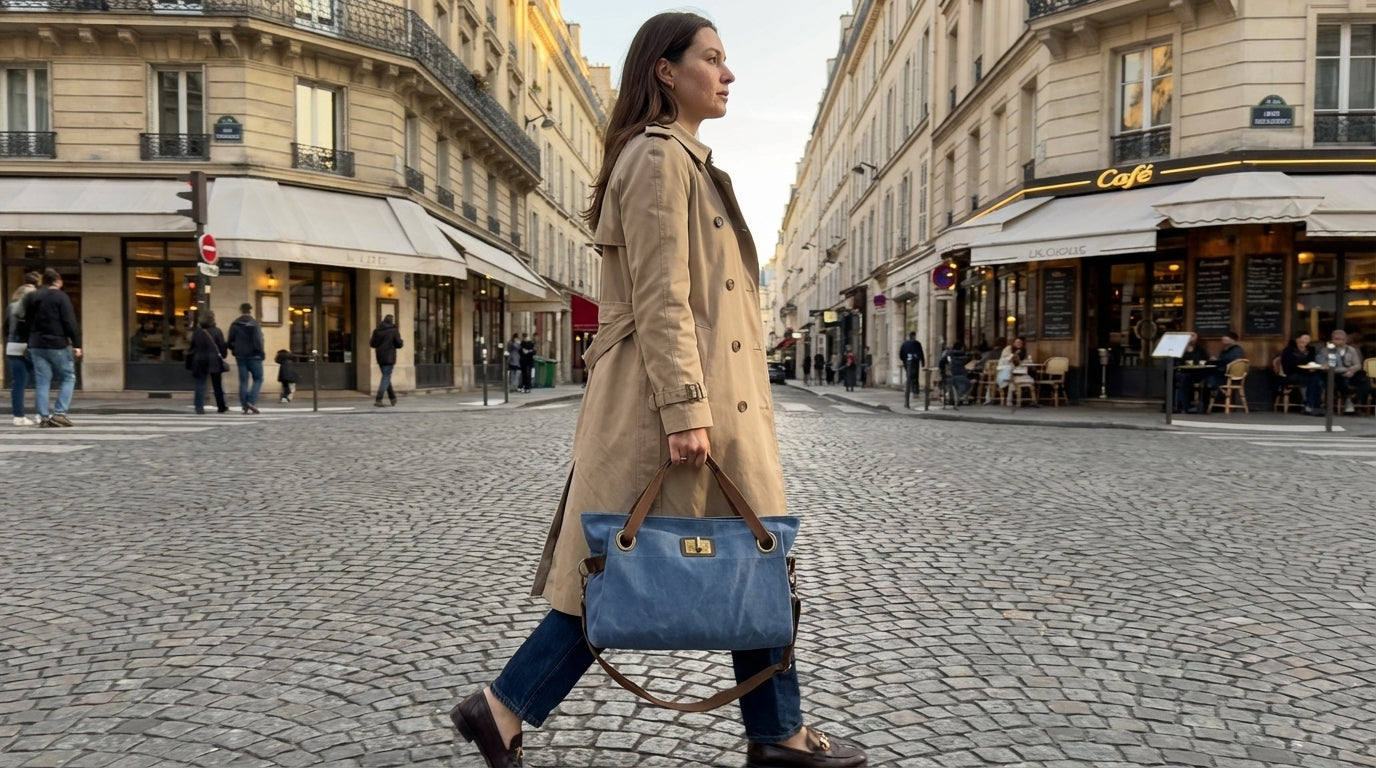
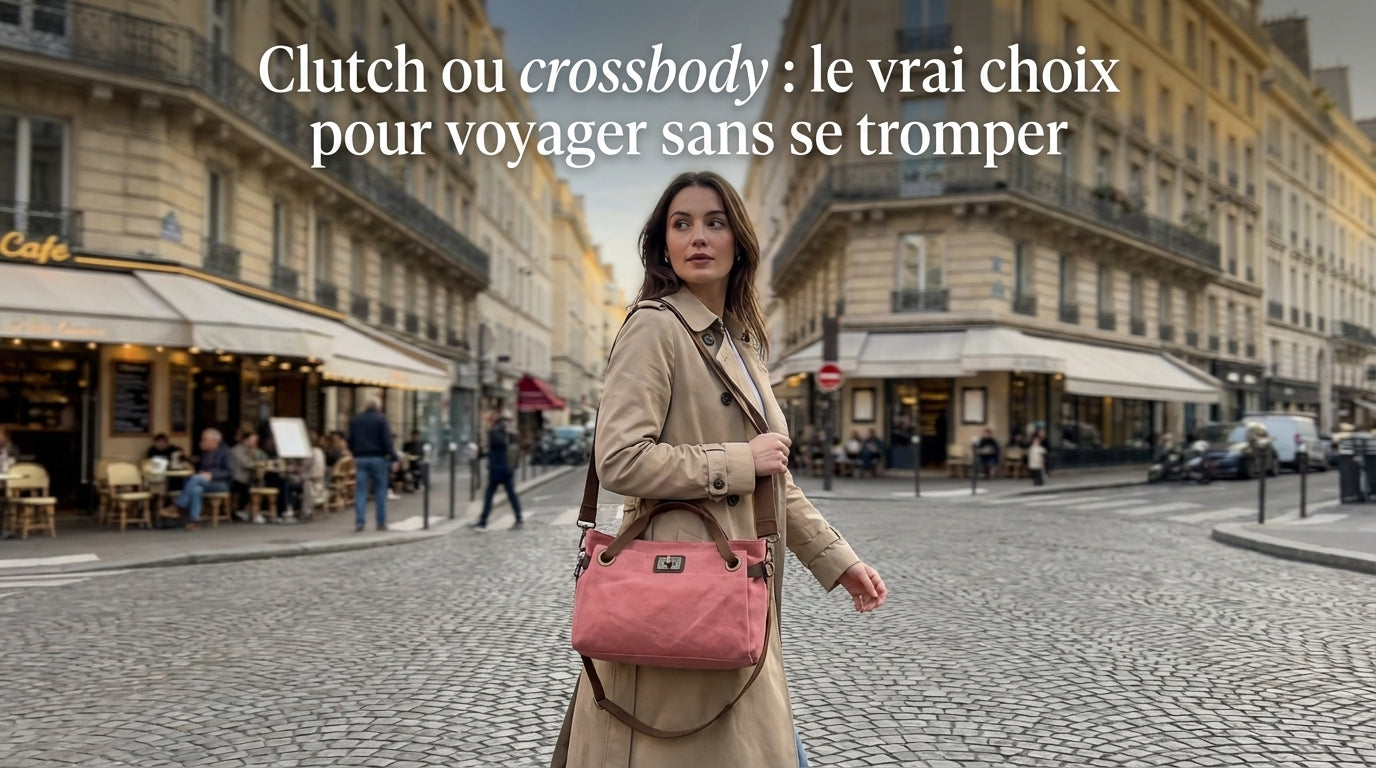
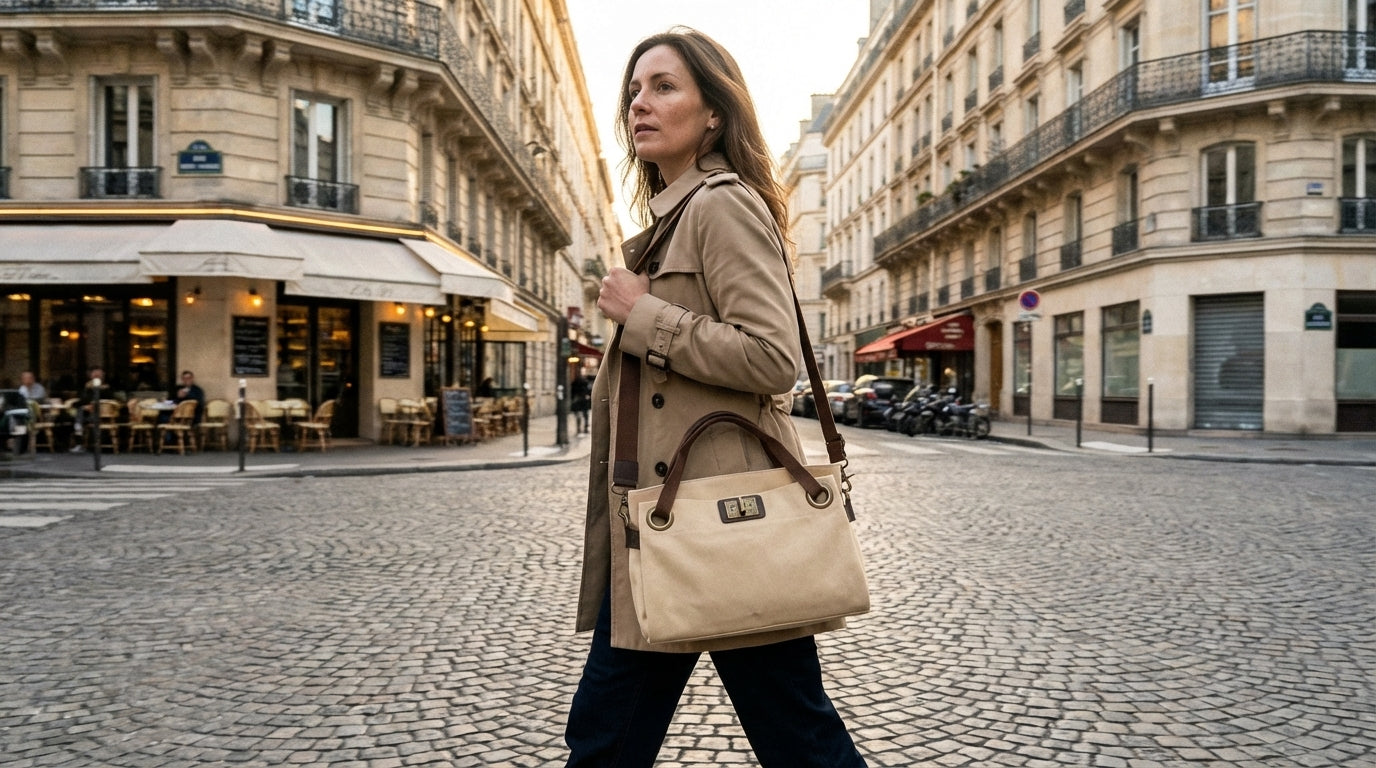
The verdict? If you're looking for a bag for work or carrying documents, go for a satchel. If you want something more versatile for everyday use, opt for a structured shoulder bag like ZEDE's Pont-des-Arts —it combines the structure of a satchel with the flexibility of a shoulder bag.
Shop the look: PONT-DES-ARTS - Regular - Beige

What really sets a satchel apart from a shoulder bag?
A satchel is, above all, about rigidity. The bottom is structured, often with a piece of cardboard or hard plastic. The sides stand upright. Even when empty, it retains its rectangular shape. This makes it practical for documents, books, and anything else that needs to stay flat.
A traditional shoulder bag is more flexible. It has no rigid structure—just the natural stiffness of the leather or fabric. It conforms to the shape of its contents. When full, it expands. When empty, it can be folded flat.
For a more comprehensive overview, see "How to Choose a Shoulder Strap for a Briefcase: The Complete Guide for 2026."
But watch out for false friends. Many brands call bags "satchels" that aren't structured at all. And some shoulder bags are sturdier than poorly designed satchels. You have to look at the construction, not just the name.
The differences between satchel bags and shoulder bags also lie in the details: satchels often feature a flap closure with buckles or straps, while shoulder bags typically use zippers or magnetic closures. It’s a matter of historical usage—satchels originated in the academic and professional worlds, while shoulder bags stem from women’s everyday life.
The practical benefits of each style
After looking at dozens of bags in these two categories, here’s what really matters:
Advantages of the satchel:
- Optimal protection for documents, tablets, and laptops
- A timeless design — a staple in any wardrobe
- Instantly look professional, even in jeans
- Stable base — you can place it anywhere without it tipping over
Advantages of the shoulder bag:
- Adapts to the content—compact when needed, spacious when necessary
- More comfortable to wear for long periods (fewer pressure points)
- Versatile for day or night, depending on what you wear with it
- Often lighter when empty
Le problème ? La plupart des gens achètent un joli sac sans regarder l'intérieur. Résultat : une coque rigide magnifique avec zéro organisation interne, ou un sac souple qui devient un trou noir dès qu'on y met plus de trois objets.

How to choose between the two based on your needs
The real question isn't whether to choose a satchel or a shoulder bag, but: what do you carry every day?
Go for a satchel if:
- Do you regularly carry A4 documents or a tablet?
- You work in a formal setting
- Do you like your bag to keep the same shape, whether it's full or empty?
- Do you often set your bag down on the ground or on surfaces?
Choose a shoulder bag if:
- Your content varies greatly from day to day
- Do you carry your bag for more than 4 hours a day?
- Are you looking for a bag that works for everything from the office to dinner?
- You prefer discretion to assertiveness
In our experience, 80% of women who are torn between the two end up preferring a structured shoulder bag. Why? It offers the structure of a satchel when needed, but remains flexible the rest of the time.
C'est exactement ce que fait le Pont-des-Arts : sa base en split leather lui donne la stabilité d'un satchel, mais sa toile de coton délavée garde la souplesse d'un shoulder bag. Disponible en Vert, Camel, Noir et douze autres couleurs, il s'adapte à tous les styles.
Mistakes to Avoid at All Costs
The most common mistake? Buying a satchel because it "looks professional" even though you never have any documents to carry. The result: a stiff bag that you fill with junk and that weighs a ton.
Second pitfall: choosing a shoulder bag that’s too flimsy. Without any structure, it loses its shape as soon as you put anything in it. Items get lost at the bottom, keys scratch your phone—it’s total chaos.
Mistake #3: Not checking the weight when empty. A thick leather satchel can weigh 800 grams even before you put anything in it. If you carry it all day, your shoulders will start to ache.
The biggest mistake is still ignoring the internal organization. A bag without pockets is like a house without closets. No matter how beautiful it looks on the outside, you’ll struggle with it every day. The differences between satchel bags and shoulder bags don’t matter if the interior isn’t well-designed.
One last thing: don’t worry about versatility. A bag that only goes with certain outfits is a bad investment. The best bag is the one you reach for without even thinking every morning.

Our final recommendation
If you have to choose just one bag, go for a shoulder bag with a structured base. It will give you the best of both worlds: structure when you need it, and flexibility the rest of the time.
The Pont-des-Arts is a perfect example of this approach. Designed in the Marais district of Paris, it combines washed cotton canvas and split leather to create a structure that holds its shape without being stiff. Its zippered pockets, front and back compartments, and adjustable shoulder strap make it a reliable everyday companion.
Available in four sizes (XS, Mini, Medium, Regular), it suits every need. And unlike brands that mark up their prices by 12 times the cost of production, ZEDE offers a direct price that reflects the product’s true value.
The differences between satchel bags and shoulder bags matter less than the quality of the design. A good bag is one you use without thinking, that organizes itself naturally, and that ages well. That’s exactly what we set out to create with the Pont-des-Arts.