

How to Care for a Canvas and Leather Bag: A Practical Guide
Contrary to popular belief, caring for a canvas and leather bag requires a different approach than caring for an all-leather bag. Most guides focus on pure leather, but when 90% of your bag is made of faded cotton canvas, the rules change.
After watching hundreds of customers care for their Pont-des-Arts bags, we’ve identified the most common mistakes and the techniques that really work. Here’s how to keep your canvas-and-leather bag looking its best every day.
Shop the look: PONT-DES-ARTS - Normal - Grey

Understanding your bag: 90% canvas, 10% leather
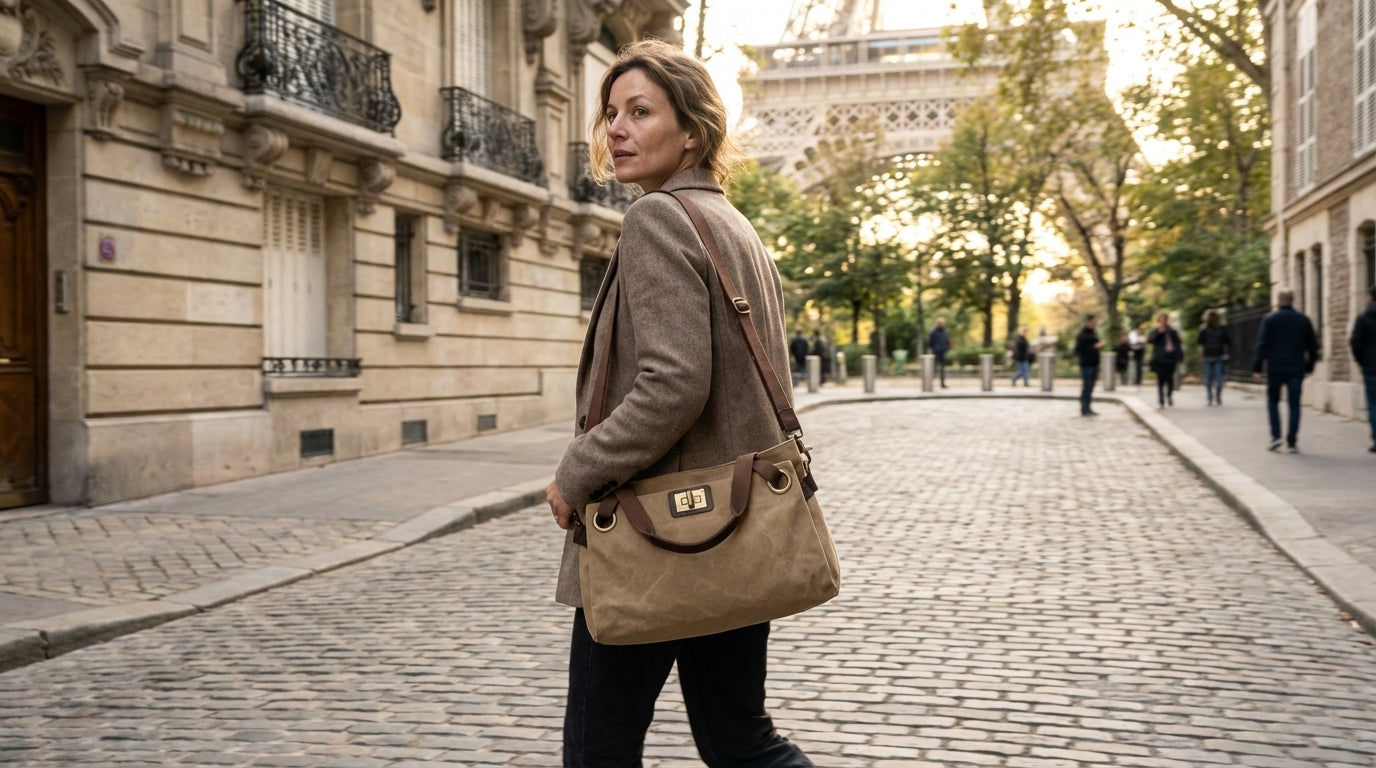
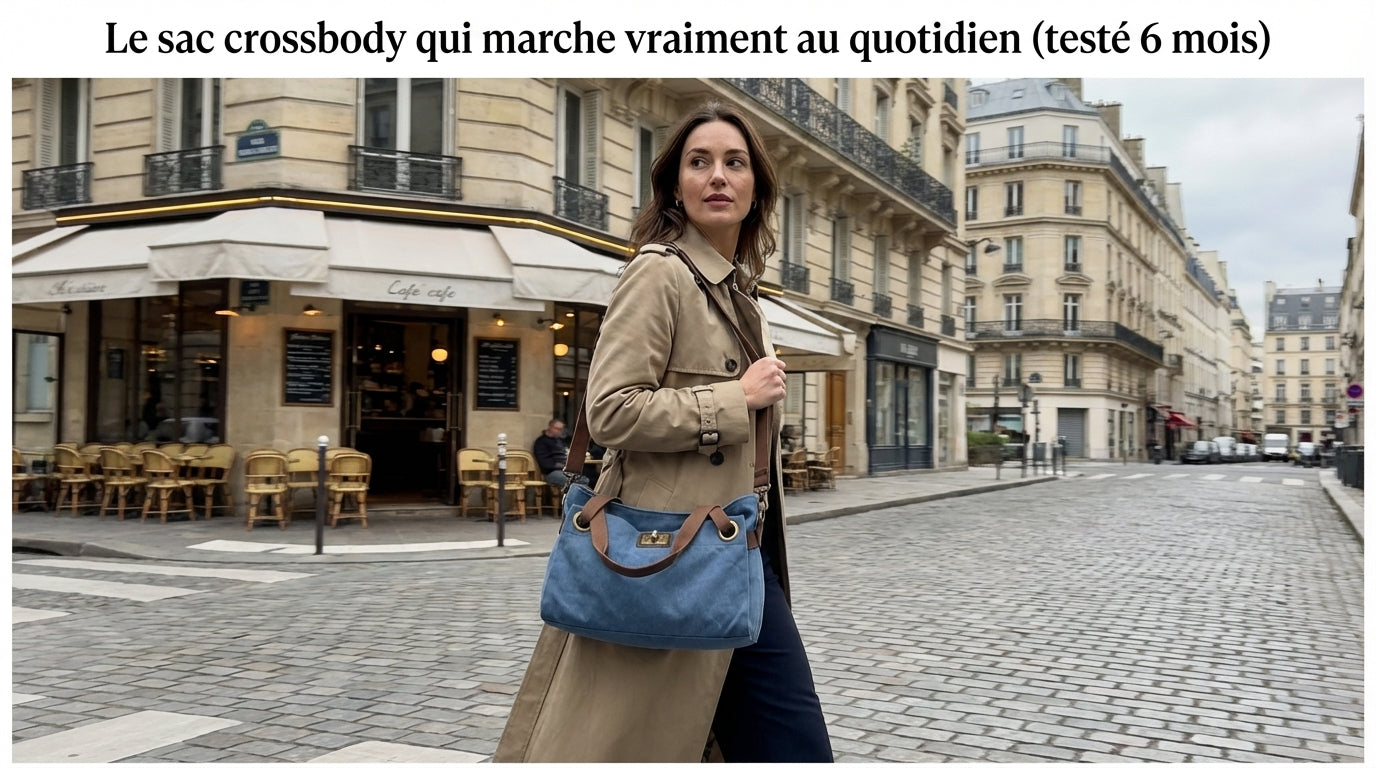
The first step in learning how to care for unisex leather bags is to understand their actual composition. The Pont-des-Arts combines faded cotton canvas and split leather—a combination that requires specific care.
For a more comprehensive overview, see "How to Choose a Shoulder Strap for a Briefcase: The Complete Guide for 2026."
Canvas makes up most of the bag: the main body, part of the handles, and the lining. Leather is limited to the structured base, the handle reinforcements, and the trim. This distribution completely changes the approach to care.
"The combination of canvas and leather is what makes our bags special," explains Dominique, founder of ZEDE. "Canvas ages well; it develops a patina. The older it gets, the better. There’s nothing wrong with canvas."
This composition explains why standard leather care guides do not apply directly. Treating a Pont-des-Arts bag as if it were made entirely of leather could damage the canvas.
Daily care: Start with the canvas
Always start with the canvas. Use a soft brush or a dry cloth to remove everyday dust. Washed cotton canvas can withstand more vigorous brushing than leather.
For light stains on the canvas, a slightly damp cloth is sufficient. Dab gently without rubbing—the canvas absorbs moisture naturally. Let it air dry, never near a heat source.
Leather parts require more care. Wipe them down with a dry cloth only. If necessary, use a very slightly damp cloth, then dry them immediately.
This simple routine, performed once a week, helps maintain the bag's appearance without the use of harsh chemicals. The canvas develops a natural patina—that's the intention.
Treating Stains: A Differentiated Approach
When dealing with a stain, first identify the material it’s on. Stains on fabric and stains on leather aren’t treated the same way.
For the canvas: Use lukewarm water and mild soap (such as Marseille soap). Gently scrub with a soft brush. Rinse with clean water and pat dry with a clean cloth. The canvas can withstand this method.
For leather: Use only a damp cloth and gentle circular motions. Do not use soap on split leather—it may leave marks. For stubborn stains, consult a professional.
In our experience, 80% of stains come out using this simple method. The remaining 20% require professional cleaning—it’s best not to keep trying.

Packaging: leather only
A common mistake: applying a nourishing product to the entire bag. The canvas doesn't need it, but the leather does—just use it sparingly.
Use a high-quality leather conditioner no more than once or twice a year. Apply it only to the leather parts: the base, the handle reinforcements, and the trim. Be sure to avoid the canvas.
Instructions: Apply a small amount to a soft cloth and use light circular motions. Let it soak in for 15 minutes, then wipe off any excess. The leather should absorb the product; it should not remain on the surface.
"Leather is all about quality," Dominique points out. "But you have to treat it with care. Using too much product is just as bad as using too little—it damages the leather."
This approach preserves the leather's suppleness without altering the fabric's natural appearance. The balance between the two materials remains intact.
Storage and protection
A canvas-and-leather bag requires different care than an all-leather bag. Canvas breathes, and leather needs ventilation—but not in the same way.
Store the bag upright, filled with tissue paper to help it keep its shape. Avoid using newspaper—the ink may stain the light-colored fabric. White tissue paper will preserve the structure without any risk.
Ideal conditions: dry, well-ventilated, and at a stable temperature. Avoid damp basements and overheated attics. A bedroom closet is ideal.
Protective cover: yes, but make sure it’s breathable. Natural cotton or linen work well. Avoid plastic—canvas and leather need air.
Recommended rotation: Remove the bag from its cover once a month, even if you don't use it. This ventilation helps preserve the materials.
Mistakes to Avoid at All Costs
First mistake: treating canvas as if it were delicate leather. Washed cotton canvas is sturdy and can withstand rougher handling than you might think.
Second mistake: using leather care products on the entire surface. The canvas can become permanently stained by certain balms or waxes.
Mistake #3: Forced drying. Never use a hair dryer, radiator, or expose the item to direct sunlight. The fabric will shrink, and the leather will crack.
Mistake #4: Ignoring the natural patina. Canvas develops a patina over time—this is normal and desirable. Trying to keep it looking "brand new" damages the material.
These mistakes account for 90% of the problems we see. Avoiding them can extend the life of the bag by several years.

When to Call a Professional
Some situations are beyond the scope of basic home maintenance. Oil stains on leather, significant discoloration of the fabric, or structural damage require the help of an expert.
Warning signs: leather that cracks, fabric that fades in patches, or a lingering odor after cleaning. In these cases, consult a professional leatherworker.
Cost vs. Replacement: A professional cleaning typically costs between 30 and 60 euros. Compared to the price of a new bag, the investment is often worth it.
Prevention: Regular maintenance prevents 95% of professional service calls. Prevention is better than cure.
Patina: Understanding Natural Aging
"The older the fabric gets, the better," Dominique insists. This philosophy changes the approach to maintenance. The goal isn't to keep it looking new, but to let it age naturally.
The washed cotton fabric develops a unique patina with use. Creases become more pronounced, the color softens, and the texture gains character. This is intentional and desirable.
Leather evolves too, but in a different way. It becomes more supple, its color grows warmer, and signs of wear become marks of a life well-lived.
This natural patina is part of the bag's character. Care should preserve it, not fight against it.
Adaptation based on usage
A bag used on a daily basis requires more frequent care than a bag used only occasionally. Tailor your care routine to your actual usage.
Heavy use (daily): light cleaning once a week, leather conditioning every 4 months, monthly inspection.
Moderate use (2–3 times a week): cleaning every two months, maintenance every six months, inspection every three months.
Occasional use: Clean before and after use; perform annual maintenance; inspect before each use.
This personalized approach optimizes maintenance without wasting time or products.
Knowing how to care for unisex leather bags means understanding that every material has its own specific needs. The canvas and leather of the Pont-des-Arts collection strike a delicate balance that, when properly cared for, stands the test of time while gaining character. Caring for them then becomes a pleasure, not a chore.